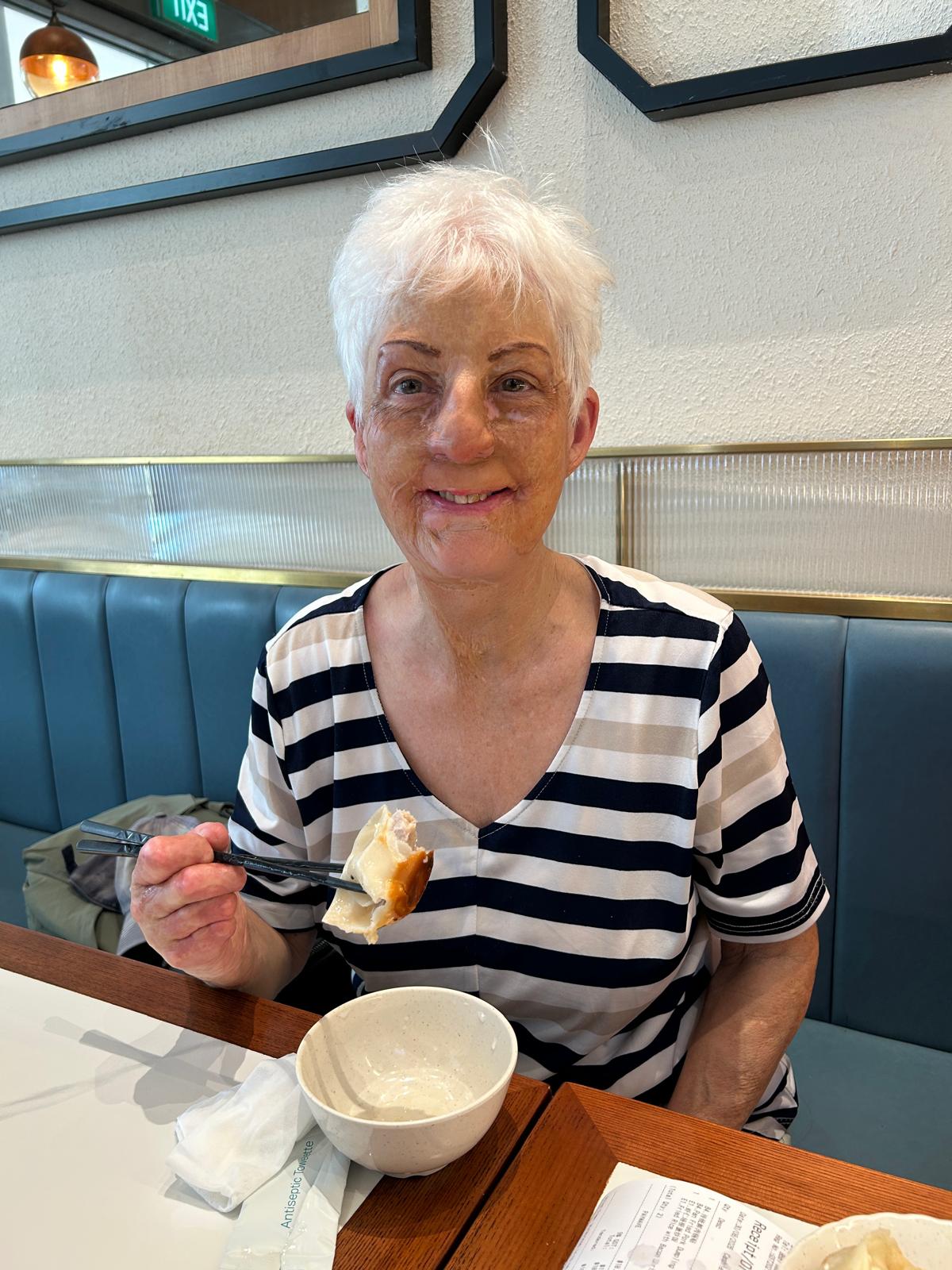
National Scar Appreciation Day may have originated in the United States, yet I propose we bring this vital conversation directly to New Zealand.
We live in a culture that frequently views scars as flaws… Imperfections that stand as the complete opposite of beauty. Popular media reinforces this narrative constantly. In movies and storytelling, the villain or the character meant to evoke fear is almost always given facial scars or visible physical differences.
This cultural narrative carries real-world consequences.
When people carry scars that can be hidden beneath clothing, they often choose to keep them covered permanently. Yet in my experience, hiding physical or emotional marks can keep a person trapped in avoidance. When we hide the physical evidence of our hardest moments, we often hold back from fully processing and coming to terms with the underlying trauma.
I choose to see scars through a completely different lens.
I see scars as proof of survival.
Moving Beyond the Return to Normal
A comment on a recent global post resonated deeply with me:
“Healing doesn’t always mean everything goes back to the way it was. Sometimes, healing means learning to embrace your new life.”
I consider myself an ambassador for that exact belief.
In corporate spaces and leadership discussions, we often treat resilience as the ability to bounce back… To return instantly to the precise shape we held before the storm arrived. But true resilience isn’t about erasing the past or pretending the storm never happened.
Post-traumatic growth happens when we accept that the storm changed us, and we choose to step forward anyway.
What Scars Teach Us About Inclusive Culture
When we learn to look at our own marks with acceptance rather than shame, our capacity for empathy expands exponentially.
In the workplace, genuine connection begins when we stop evaluating colleagues based on polished external appearances and start acknowledging the complex human journeys behind them.
- Being looked at is not the same as being truly seen. True visibility means being accepted, understood, and valued for who you are.
- Curiosity replaces judgment. When we recognise that everyone carries unseen stories, friction gives way to genuine understanding.
- Authenticity builds psychological safety. When leaders drop the requirement for absolute perfection, it gives teams permission to bring their authentic selves to work.
Reclaiming Your Story
Your scars, whether visible on your skin or held quietly within, are not marks of defeat. They are evidence of endurance. They demonstrate that you faced a trial, navigated through it, and remained standing on the other side.
Each mark is unique, and the journey behind it deserves to be honoured rather than hidden away.
As we look toward building more empathetic workplaces and communities, let’s begin by shifting how we view our own stories. Stop waiting for external validation or ideal circumstances to celebrate how far you have come.
Embrace your marks. Own your growth. Lead with your story.
Over to You: What have your own scars, visible or invisible, taught you about your capacity to heal and lead? I would love to read your reflections in the comments below.
Cheers,
Heather